Grain prices are falling: should you store? Keep track of the silo
Grain prices have fallen clearly since early September. According to Lantbruksnytt on 1 November, the decline may be levelling out, but nobody knows for sure. Many farmers are therefore thinking about holding back part of the harvest. A second article, from 31 October, points the other way: expensive fertiliser and weather problems in parts of Europe may mean smaller harvests next year, so the price picture can turn quickly. (Based on Lantbruksnytt, 1 November and 31 October 2026, both in Swedish.)
Whatever you decide, one thing holds: the longer you store, the more important it is to know what is in the silo.
Four things to check when storing for longer
- Moisture and temperature. Stored grain must be properly dried and kept cool. Measure regularly, not only at filling.
- Ventilation. Aeration at the right time stops heat and moisture from building up in the batch.
- Fill level. Know how full the silo is before you load the next batch. Overfilling means spillage and extra work.
- Emptying. A silo that runs empty unnoticed can stop the outloading in the middle of a truck visit.
How do you know how much is in the silo?
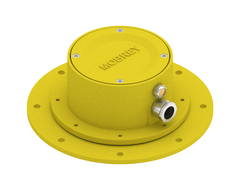
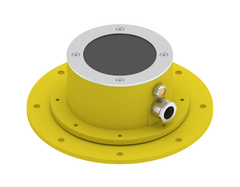
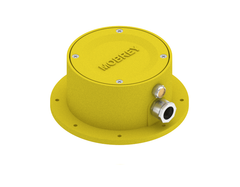
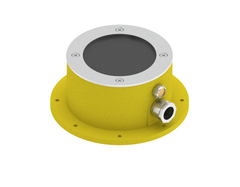
Climbing up to look takes time and is not always risk-free. A simpler way is to let a level switch for silos and grain give a signal when the material reaches a set level. At the maximum level it can raise an alarm or stop the filling, and at the bottom it can tell you that the silo is nearly empty. It is not a gauge that shows the exact amount, but a clear on-or-off signal at the level you choose.
Plan the storage before you decide
If you plan to store longer than usual, go through the silo now, before it is time to fill it. It is easier to fix something today than in the middle of loading.
See all level switches for silos and vessels. Not sure which one suits your plant? Describe the material and mounting position and we will answer: info@levelswitchsweden.com or +46 8 32 33 00.