How to Measure Level in Dry Goods – Avoid Downtime and Measurement Errors
Measuring the level of dusty, dry materials such as grain, pellets, and powders can be challenging. Incorrect level indications, production downtime, and unnecessary maintenance costs are common issues for many users. Below, we go through common concerns, how to prevent downtime, and provide an overview of different level switch dry goods technologies. Finally, we take a closer look at the robust membrane grain level sensor, exemplified by Elniva.
Common Challenges in Level Measurement for Dry Goods
Dust and Contamination
In containers with dry, powdery, or dusty materials, sensors can easily become coated, leading to inaccurate measurements.
Bridging (Arching)
The material can compact or form “arches” in the container, preventing it from flowing freely to the sensor’s measuring point.
Mechanical Wear
In some applications, sensors—especially those with moving parts—can be subjected to mechanical abrasion or damage when large or hard particles (e.g., pellets, grain) come into contact with sensitive components.
Incorrect Installation or Placement
If a grain level sensor is installed at the wrong height or in an area where the material does not flow as expected, false indications can occur.
Electrical Interference
Dust can, in some cases, generate static charges that interfere with electronic measurement principles, or strong electromagnetic fields in the facility can affect sensor signals.
Elniva Membrane Level Switch – Robust and Dust-Resistant
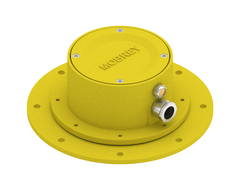
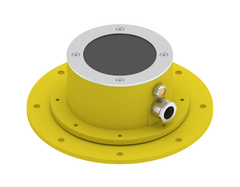
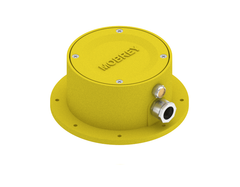
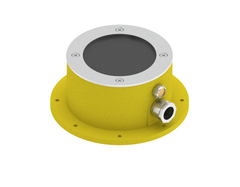
A mechanical level switch dry goods, such as Elniva, offers high durability in dusty environments due to its simple construction and minimal electronics. The membrane moves only 3–4 mm upon activation, ensuring that the sensor’s internal components are not exposed to excessive stress. This reduces the risk of mechanical damage, even when handling heavy or compact materials. By relying on direct, physical activation, it also eliminates many of the “blind spots” that can sometimes occur with radar or ultrasonic sensors.
Elniva’s grain level sensor is available in different designs to suit both thin-walled and thick-walled silos or containers. It is also easy to install and maintain since the membrane itself can be cleaned and inspected without requiring advanced tools. For those seeking a reliable and dust-resistant solution, a mechanical level switch dry goods is a strong alternative.
Tips to Prevent Downtime
- Correct Sensor Placement: Analyze the material’s flow pattern before installation. Place the grain level sensor where it reliably comes into contact with the material while being protected from unnecessary wear.
- Regular Cleaning: Establish a schedule for inspection and cleaning, especially if the material generates a lot of dust or tends to stick to the sensor’s surface.
- Proper Sensor Selection: Choose a level switch dry goods that can withstand the temperature, particle size, density, and potential abrasive properties of your material.
- Consider Protective Housing or Reinforced Sensors: In some cases, additional mechanical protection can help the sensor withstand impacts and abrasion without affecting its function.
- Calibration and Testing: Perform regular functional tests and calibration checks to ensure the sensor is still providing accurate measurements.
Minimize Measurement Errors Through Proper Installation and Maintenance
- Position the grain level sensor at the correct height so it is impacted by the material at the desired level and avoids areas with strong airflow or excessive compaction.
- Inspect wiring and connections to prevent interference and potential dust ingress into the sensor housing.
- Follow the manufacturer’s instructions for tightening and installation to avoid loose fittings or material leakage around the sensor.
- Regularly inspect for abnormal contamination, mechanical wear, and signs of corrosion to detect issues early.
Summary
Level measurement in dry goods such as grain, pellets, and powders requires careful selection of level switch dry goods technology and proper installation. By understanding common challenges like dust, bridging, and mechanical wear, you can choose the best grain level sensor and placement for your application. Prioritizing regular inspections, cleaning, and proper sensor selection is key to avoiding downtime and measurement errors.
In many dusty and demanding environments, a mechanical level switch dry goods, such as Elniva, is a reliable solution that combines simple design with high durability. By avoiding complex electronics and “blind spots,” sensor lifespan is extended, and costly downtime is minimized.