
Level switch for grain on the farm: intake, dryer and silo
During harvest the grain plant runs long days, often unattended. A level switch at the right points means the plant stops itself before something overfills or runs empty, instead of someone finding grain on the floor in the morning.
Intake pit
A high level switch in the pit wall stops the tipping, or warns the driver, when the elevator cannot keep up. Mount it where the grain builds up against the wall.
Dryer
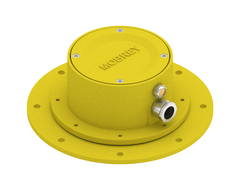
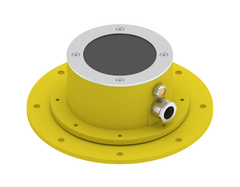
A batch or continuous dryer needs a high level switch so it is not overfilled, and often a low level switch so it does not run with a half-empty section. The dryer is damp and dusty, which is where the NV14P-KM with its compensation diaphragm and IP65 enclosure fits best. Check the temperature where the switch will sit: the switches are rated up to +60 °C.
Storage silos
A high level switch on each silo stops filling before grain is pushed into the roof and vents. A low level switch tells you when the silo is nearly empty. The NV14P is flange-mounted through the wall, outside the grain.
Elevators and conveyors
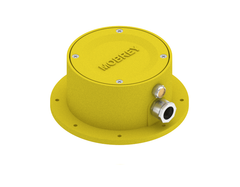
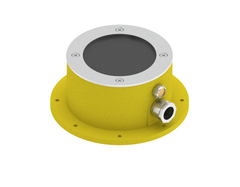
If a silo is full or a spout is closed, grain backs up into the elevator or conveyor. An NV10P at the discharge stops the feed before the elevator chokes. It trips only when grain builds up, not during normal flow.
Outloading
When loading trucks from an overhead bin, a low level switch in the bin tells you it is time to refill before the load is short.
All switches give a volt-free contact that connects directly to the plant's control panel or PLC. There is nothing to calibrate, so the switch point stays the same whether the grain comes in wet or dry.
Elniva switches are for dry bulk solids only. They are not for liquids or pressure vessels, and they are not ATEX certified. In dusty areas with a risk of dust explosion, check the zone classification before choosing a switch.
Tell us the material and where the switch will sit, and we will recommend a model: info@levelswitchsweden.com or +46 8 32 33 00.