Types of Level Switches
Level switches are used to detect and signal a specific level in a container, and they come in various types based on their operating principle and application. Below is an overview of some common types of level switches:
1. Float Level Switches
Float level switches use a floating device that moves with the liquid level. When the float reaches a certain level, it activates a switch (usually a reed switch or a micro switch) to signal that the level has been reached.
Operating Principle: A float rests on the liquid surface and is connected to a mechanical or magnetic switch.
Applications: Commonly used in tanks for liquids, sumps, pumps, and similar applications.
Advantages: Simple, reliable, and cost-effective.
Disadvantages: Can be affected by dirt, deposits, and viscous liquids.
2. Capacitive Level Switches
Capacitive level switches measure changes in capacitance between a sensor and the liquid or solid material. When the level rises, capacitance increases, activating a switch.
Operating Principle: A sensor forms a capacitor with the liquid or solid material. Changes in material level affect capacitance.
Applications: Suitable for both liquids and solids but requires calibration for different materials.
Advantages: Can be used for various materials, requires minimal maintenance.
Disadvantages: Sensitive to moisture and dirt, requires calibration.
3. Conductivity Level Switches
Conductivity level switches use electrodes to measure the conductivity of the liquid. When the liquid reaches the electrodes, an electrical circuit is completed, activating a switch.
Operating Principle: The liquid must be conductive. A circuit is completed when the liquid touches the electrodes.
Applications: Suitable for conductive liquids such as water, acids, and bases.
Advantages: Simple, robust, and cost-effective.
Disadvantages: Requires a conductive liquid, sensitive to coating buildup on electrodes.
4. Vibrating Fork Level Switches
Also known as "vibrating fork" switches, these devices use a vibrating fork that is dampened when submerged in liquid or solid material. The sensor detects the vibration change and activates a switch.
Operating Principle: A vibrating fork is dampened when in contact with the material.
Applications: Common in tanks for liquids and solids, especially where other sensors may be unreliable.
Advantages: Reliable, low maintenance, not affected by conductivity or dielectric constant.
Disadvantages: Can be more expensive than other level switches.
5. Optical Level Switches
Optical level switches use a light source and a light detector. When the liquid or solid material reaches the sensor, the light is reflected or refracted, activating a switch.
Operating Principle: Light is refracted or reflected when the sensor is immersed in the material.
Applications: Suitable for clear liquids and low-viscosity solids.
Advantages: Compact, requires little maintenance.
Disadvantages: Sensitive to dirt and coating buildup, ineffective with opaque materials.
6. Diaphragm Level Switches
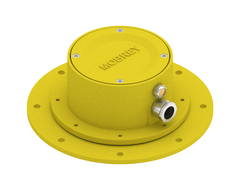
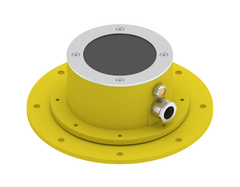
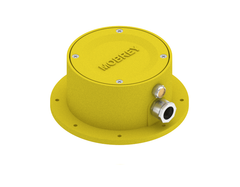
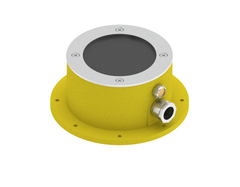
Diaphragm level switches, such as those from Elniva, use a diaphragm that is pressed by the material when it reaches the sensor. The pressure on the diaphragm activates a switch.
Operating Principle: Pressure from the material on a diaphragm triggers a switch.
Applications: Suitable for solid materials, especially in silos and containers.
Advantages: Robust, withstands high pressure, easy to install.
Disadvantages: Less suitable for low-viscosity liquids.
Choosing the Right Level Switch
Selecting the right level switch depends on several factors, including:
Type of Material: Is it a liquid or a solid?
Material Properties: Is it corrosive, conductive, or viscous?
Installation Location: Where will the sensor be installed?
Budget: How much can the sensor cost?
By carefully considering these factors, you can choose the most suitable level switch for a specific application.