What is a level switch used for? Six common installation points
A level switch signals when material reaches a set point. The signal stops a conveyor, starts a refill or raises an alarm. In plants that handle grain, feed, pellets, wood chips or aggregates, it is most often fitted at these six points.
1. Top of the silo
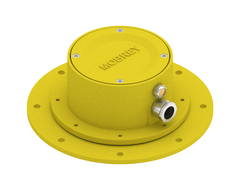
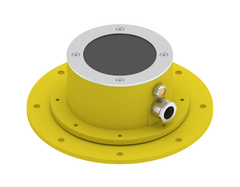
High level: stops filling before the silo is overfilled. NV14P in the silo wall.
2. Bottom of the silo or hopper
Low level: warns before the silo runs empty, or stops the discharge before downstream equipment runs dry. NV14P or NV14P-KM.
3. Intake pit
High level: stops tipping or warns the driver when the elevator cannot keep up.
4. Conveyor discharge
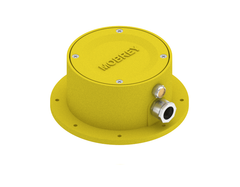
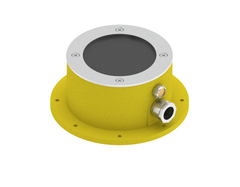
Blockage protection: stops the screw, belt or elevator when material backs up because a spout is closed or the next silo is full. NV10P, or NV10P-KM inside the equipment or in damp conditions.
5. Dryer
High and low level so the dryer is neither overfilled nor run with a half-empty section. NV14P-KM in the damp, dusty environment, within its temperature range of +1 to +60 °C.
6. Loading bin
Low level in the bin above a loading spout for trucks, rail wagons or ships, so the bin is refilled in time.
At all six points the switch gives the same thing: an on/off contact that goes straight into the control system. There is nothing to calibrate, and the switch point does not change when the material does.
Which industries use them: Applications of a level switch.
Elniva switches are for dry bulk solids only. They are not for liquids or pressure vessels, and they are not ATEX certified. In dusty areas with a risk of dust explosion, check the zone classification before choosing a switch.
Tell us the material and where the switch will sit, and we will recommend a model: info@levelswitchsweden.com or +46 8 32 33 00.