Fire at a grain terminal in Halifax: blockages in chutes and transfer points
On the evening of 26 October, fire broke out in the dust handling equipment at one of the loading facilities of the Halifax Grain Elevator in Canada, more than 40 metres up and with a vessel alongside. According to ISSSource on 28 October, 56 firefighters took part, the fire was under control after about three and a half hours, and vessel loading was paused while the cause is investigated. The terminal handles wheat and wood pellets.
The cause has not been established, and this article does not speculate about it. But the incident is a reminder of how much is at stake at the transfer points where dry bulk is loaded onto ships, trains and trucks.
Where blockages occur
In chutes, spouts and at transfer points between conveyors. If an outlet clogs or the receiving conveyor stops, the chute fills up while the feeding conveyor keeps running.
What a blockage leads to
Material spills over, dust is stirred up and someone has to clean up, often at height. Dust in the air and on surfaces is something you want to keep down in any plant that handles grain, pellets or wood chips, as it adds to the risk of fire and dust explosion. And the loading stops anyway.
A switch in the chute wall
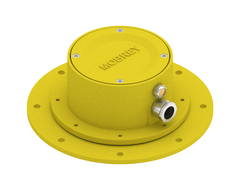
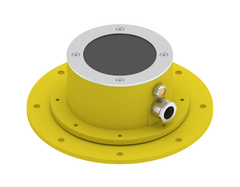
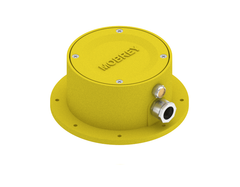
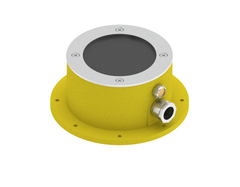
A diaphragm level switch mounted in the chute wall reacts when material backs up against it. It gives an on/off signal that can stop the feeding conveyor before the material overflows. It needs no calibration and has few parts that can fail.
Elniva switches are not ATEX certified. In dusty or explosive environments, check the zone classification with whoever is responsible for the plant before choosing a switch.
Further reading
Loading on new export routes is covered in grain on new routes: what it demands of loading, and other causes of stoppages in three causes of conveyor stoppages. Products: Elniva NV14P and overflow protection for conveyors.
Describe the plant and the mounting position and email info@levelswitchsweden.com or call +46 8 32 33 00.
Sources: ISSSource 28 October 2026