Conveyor feeding a full silo: three causes of stoppages
When handling dry materials such as grain, pellets, wood chips and feed, most stoppages occur in three places.
- The silo is full, but filling continues. The screw, belt or bucket elevator keeps conveying into a silo or vessel that has no room left, and the material backs up into the conveyor.
- The outlet is blocked. A closed slide, a bridge of material or a full receiving vessel stops the flow, and material packs up at the conveyor outlet.
- The last conveyor in the line stops while the others keep feeding. In a chain of several conveyors, one stop downstream means the conveyors before it fill up within minutes.
What it costs
The consequences are familiar: spillage to clean up, damaged conveyors, chains and drives, downtime and more dust in the air. Dust is a general risk factor in dry bulk handling, and one more reason to avoid spillage and overfilling.
Two protection principles
A level switch in the silo signals when the material reaches the maximum level, so filling stops in time. Overflow protection at the conveyor outlet stops the motor when material packs up against the switch. The switch is connected to the motor control and should be function-tested before every season.
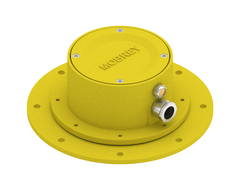
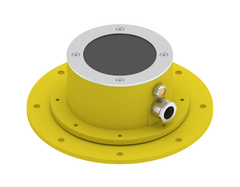
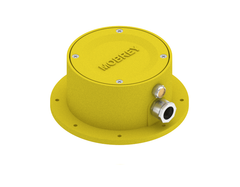
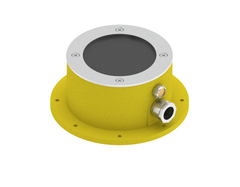
Elniva level switches NV14P (silos and vessels) and NV10P (screw, belt and bucket elevator conveyors) are made for dry materials. Not sure which one suits? Describe the material and mounting position and we will answer: info@levelswitchsweden.com or +46 8 32 33 00.
Also read: Pellet prices are rising before winter: keep production running.