Silo monitoring: how to set up alarms that people act on
A level switch on the silo wall is the start. Whether it prevents an overfill depends on what the signal does and who sees it. These are the parts of silo monitoring that work in practice.
1. Decide what each signal should do
- High level: stop the filling automatically. An alarm that only lights a lamp will sooner or later be missed.
- Low level: warn early enough to refill, or stop the discharge before downstream equipment runs dry.
- Conveyor blockage: stop the blocked conveyor and the ones feeding it.
2. Make the alarm reach someone
Unattended plants need the alarm to reach a person: a signal to the control room, a text message via the PLC or a horn and beacon in the yard. Agree who acts on which alarm.
3. Wire it fail-safe
Elniva switches have a volt-free changeover contact. Use the side that is closed in normal operation and opens on alarm. A broken cable or loose terminal then gives an alarm instead of silently disabling the protection.
4. Keep the switch independent
If the silo has a level transmitter for stock, let a mechanical high level switch act as a separate stop. It does not depend on the transmitter being correctly set up, and it needs no power supply of its own.
5. Test it
Test each switch before the season and after work on the silo. A mechanical diaphragm switch can be tested by hand in minutes. See how to test a level switch.
The switches
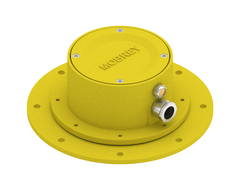
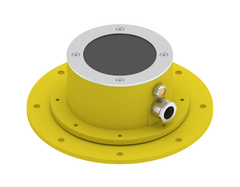
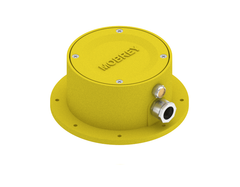
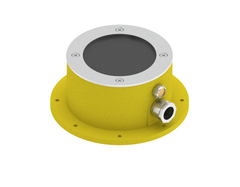
NV14P and NV14P-KM for high and low level in the silo. NV10P and NV10P-KM for the conveyors. Where to put them: level switches for silos.
Elniva switches are for dry bulk solids only. They are not for liquids or pressure vessels, and they are not ATEX certified. In dusty areas with a risk of dust explosion, check the zone classification before choosing a switch.
Tell us the material and where the switch will sit, and we will recommend a model: info@levelswitchsweden.com or +46 8 32 33 00.