Harvest is in: protect your silo from overfilling at intake
The 2026 grain harvest was forecast to be smaller than usual. Lantmännen's forecast from 30 June put it at about 5.0 million tonnes, roughly 20 percent below last year's outcome, and the Swedish Board of Agriculture published its own forecast in August. Even so, every tonne still has to be received, dried and stored.
During intake, silos and bins fill quickly, often late in the evening. One missed stop is enough for the grain to run over or for the conveyor to pack up.
Three common problems at intake
- The silo is filled too high, and the material runs over or blocks the space.
- The conveyor keeps feeding although the receiving point is full, and stops under load.
- The silo is emptied completely without anyone noticing that the material has run out.
What a level switch does
A level switch gives a simple signal when the material reaches a certain height. Mounted high in the silo, it stops the filling or raises an alarm. Mounted low, it shows that the silo is about to run empty.
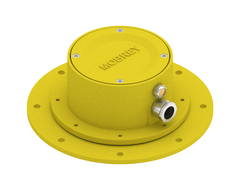
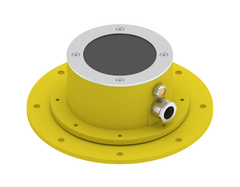
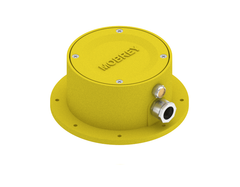
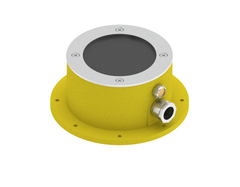
Our level switches are fully mechanical diaphragm switches with no electronics. They give a volt-free contact and are not affected by dust or build-up. The NV14P is mounted in the silo wall. The NV14P-KM has a compensation diaphragm and can be mounted inside the vessel, in the material, with enclosure rating IP65.
Checklist before the next intake
- Check that the level switch is free of dust and lumps.
- Test that the alarm or stop really reaches the filling.
- Make sure whoever runs the intake knows what the alarm means.
See all level switches for silos and vessels, or read more about overfill protection. Not sure which one suits your plant? Describe the material and mounting position and we will answer: info@levelswitchsweden.com or +46 8 32 33 00.
Also read: Overfill protection in feed and grain plants: where to place the switch.