Overfill protection for silo and conveyor before winter
When a silo or bin is filled too much, it causes problems further down the flow. The conveyor stops under load, the motor overheats, the material packs and the stoppage costs hours. Overfilling and spillage also create dust, which is a risk in itself in wood-shavings, pellet and feed silos. Examples include the dust explosion in a shavings silo at a pellet plant in 2018 and the fire in a dust silo in 2025 (both in Swedish).
Dry material is trickier than liquid
Dry material has no level surface. It forms a cone while filling, with the material highest in the middle of the silo and lower at the walls. It can also bridge, collapse and pack. The level at the wall therefore does not tell the whole truth about the silo. To know when the silo is really full, measure in the middle of the silo, where the cone is highest.
Place the level switch correctly
- High in the silo, with a margin below the roof and away from the filling stream.
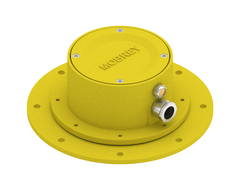
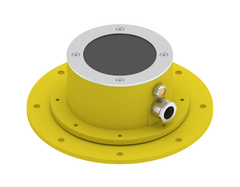
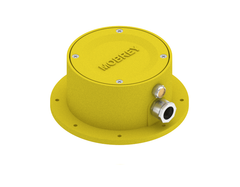
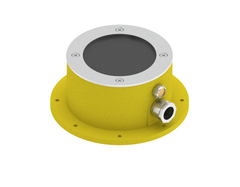
- In the middle of the silo: our level switches with a compensation diaphragm, the NV14P-KM, can be mounted directly in the material, so you measure mid-silo and get the highest point of the material cone. Level switches without a compensation diaphragm sit outside the material, in the silo wall.
- At the conveyor outlet, to stop the feed before the material piles up. The NV10P suits this, or the NV10P-KM with compensation diaphragm.
Winter makes it harder
Moisture and cold can make material clump, freeze to walls and form hanging arches. Condensation can also affect the sensor. Inspect the level switch before the first cold week.
Test every season change
Make the test a routine: activate the sensor, check that the conveyor stops and that the alarm reaches the right person. Write down the result.
See our overflow protection for conveyors and level switches for silos and vessels. Not sure which one suits? Describe the material and mounting position and we will answer: info@levelswitchsweden.com or +46 8 32 33 00.
Also read: Overfill protection in feed and grain plants: where to place the switch.